Travel Packing Checklist for Hearing Loss

Packing Checklist
Packing is easier with a clear list. This guide covers what to bring and why it helps. A printable master checklist sits near the end. Use it before every trip.
- How Do You Use This Checklist?
- What Documents and Plans Should You Pack?
- Which Hearing Device Supplies Should You Bring?
- What Do You Need for Sleeping and Waking Up?
- What Helps You Communicate on the Road?
- Which Power and Tech Items Should You Pack?
- What Safety Items Belong in Your Bag?
- What Extras Do Different Trips Need?
- How Do You Pack Devices Safely?
- Where Is the Printable Master Checklist?
- People Also Ask
Pack seven groups of items. They cover documents, device supplies, and sleep tools. They also cover communication aids, power, safety, and trip extras. Keep devices and lithium batteries in your carry-on bag. Bring a vibration alarm and a phone backup alarm.
How Do You Use This Checklist?
- Read each group below.
- Skip items you do not need.
- Add items for your own devices.
- Print the master checklist.
- Check items off as you pack.
Start packing a week before you leave. Charge and test devices at home. Fix problems before the trip.
What Documents and Plans Should You Pack?
- Tickets, bookings, and confirmations.
- A printed copy of every accessibility request.
- Hotel and airline contact emails.
- A trip plan shared with someone you trust.
- Emergency contacts on paper.
- Your audiologist contact details.
The TSA says a notification card can help you share your needs. It does not exempt you from screening. It is optional.
Save the TSA Cares number, 855-787-2227. Save the DOT disability hotline too, 1-800-778-4838. Relay users can dial 7-1-1.
Traveling abroad? The State Department runs STEP. It is free. It sends email alerts from U.S. embassies.
Which Hearing Device Supplies Should You Bring?
- Hearing devices, kept with you in your carry-on bag.
- Spare batteries or chargers.
- Cleaning tools and wipes.
- A dry case for nights and wet days.
- A note of your device make and model.
- The Neck Loop, if you use T-coil hearing aids.
The Neck Loop is a wearable loop for hearing aids in T-coil mode. Bellman lists it for the Maxi Pro, Mino, Maxi Classic, and Domino Pro.
Ask your audiologist what supplies suit your devices. This guide gives general information.
What Do You Need for Sleeping and Waking Up?
Sound alarms can fail in new rooms. Pack a vibration alarm and a backup.

The Vibio Bed Shaker wakes you with strong, silent vibration. It connects to your phone or tablet by Bluetooth. You control it with a free app for iOS or Android.
You can set up to 10 alarms. You choose the vibration strength from soft to strong. Saved alarms run even if your phone is off or disconnected.
Portable Bluetooth Bed Shaker Controlled by a Mobile App

For longer stays, a bedside clock may help. The Alarm Clock Pro adds bright flashing lights to sound and vibration. It uses a wall plug power adapter. Check your luggage space first.
Important: These alarms are wake-up aids. They do not detect fire. They do not replace hotel alarms or emergency plans.
Related reading: Portable Bed Shakers for Travel: Never Oversleep on the Road
What Helps You Communicate on the Road?
Start with free tools. Pack a notepad, a pen, and a notes app. Write your key questions before you travel.
| Need | Bellman Option | What to Know |
|---|---|---|
| One-on-one talks | Mino Personal Amplifier | Pocket-sized with dual microphones and a built-in telecoil. |
| Phone and video calls | Maxi Pro Personal Amplifier | Bluetooth amplifier for calls and conversations. |
| Tours and group talks | Domino Pro Listening System | A wireless transmitter picks up sound at a distance. |
| Hotel TV | Maxi Pro TV Listening System | Sends TV audio to the Maxi Pro by Bluetooth. |
The Mino, Maxi Pro, and Domino Pro are personal listening products. They are not hearing aids. They are not intended to treat, correct, or diagnose any medical condition.
For hotel TV, check the room TV ports first. The TV Streamer supports 3.5 mm, RCA, and optical inputs. Ask the front desk before you connect anything.
Related reading: Travel Amplifiers & TV Listening for Hotel Rooms
Which Power and Tech Items Should You Pack?
- Phone and charger.
- A power bank.
- A wall adapter for each cable.
- A power strip, if your hotel or ship allows it.
- Spare cables.
What Are the Battery Rules for Flying?
The FAA says devices with lithium batteries should go in carry-on bags. If you check one, it must be fully powered off and protected. Airlines may add their own rules.
The Vibio, Maxi Pro, and Mino all have rechargeable lithium-ion batteries. Keep them in your carry-on.
The NPS suggests airplane mode to save phone battery outdoors. Bring a power bank for longer trips.
What Safety Items Belong in Your Bag?
- Turn on emergency alerts and vibration on your phone.
- Ask your hotel about visual alarms and staff contact.
- Find the exits when you arrive.
- Keep your room key near your bed.
- Check the weather forecast each day.
The FCC says Wireless Emergency Alerts use a unique sound and vibration. Keep both turned on.
The Department of Justice says many hotels must offer rooms with visual alarms. Ask for one when you book.
Outdoors, the NPS says to pack the 10 essentials. It also says to leave a trip plan.
Related reading: Emergency Alerts on the Go: Staying Safe in Unfamiliar Places
How Do You Pack Devices Safely?
- Keep hearing devices and lithium battery devices in your carry-on bag.
- Store small items in one case.
- Keep devices dry.
- Label cables and chargers.
- Pack a spare cable for key devices.
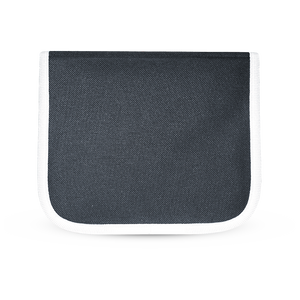
The Travel Case is made for Bellman personal amplifiers and assistive listening devices. It is made of durable black canvas with a reinforced cover. Its inside compartments hold your device and accessories.
Browse more in the personal hearing amplifiers collection and the alarm clocks collection.
Where Is the Printable Master Checklist?
Use your browser print option, or press Ctrl+P or Cmd+P. Printing from this page prints only this checklist.
Travel Packing Checklist for Hearing Loss
Bellman & Symfon · Check each item as you pack.
Documents and Plans
- Tickets, bookings, and confirmations
- Printed copy of every accessibility request
- Hotel and airline contact emails
- Trip plan shared with someone you trust
- Emergency contacts on paper
- Audiologist contact details
- TSA notification card, if you want one
- STEP enrollment, for trips abroad
Hearing Device Supplies
- Hearing devices in your carry-on bag
- Spare batteries or chargers
- Cleaning tools and wipes
- Dry case for nights and wet days
- Neck Loop, if you use T-coil hearing aids
- Device make and model written down
Sleep and Wake-Up
- Portable vibration alarm
- Charging cable for the alarm
- Backup alarm set on your phone
- Bedside clock, for longer stays
- Reminder to check the time zone
Communication
- Notepad and pen
- Notes app ready on your phone
- Personal amplifier, if you use one
- Headphones or earbuds
- Tour listening system, if needed
- Written questions for staff
Power and Tech
- Phone and charger
- Power bank
- Wall adapter for each cable
- Power strip, if allowed
- Lithium devices in your carry-on bag
- Airplane mode tip for saving battery
Safety
- Phone emergency alerts turned on
- Phone vibration turned on
- Hotel exits found on arrival
- Room key kept near your bed
- Whistle and paper map, for outdoor trips
- Weather forecast checked daily
Trip Extras
- Flights: gate agent script and preboarding request
- Hotels: room request confirmed in writing
- Cruises: room kit and interpreter requests
- Camping: 10 essentials and trip plan
- TV listening: streamer and the right cable
- Spare phone cable and a small bag
Add a Silent Alarm to Your Bag
The Vibio Bed Shaker is portable, rechargeable, and controlled by a free app.
People Also Ask
What Should I Pack for Travel With Hearing Loss?
Pack device supplies, a vibration alarm, and a backup phone alarm. Add chargers, a notepad, and trip documents.
Where Should I Pack My Hearing Devices?
Keep them with you in your carry-on bag. The FAA says lithium battery devices belong in carry-on bags.
Do I Need a TSA Notification Card?
No. It is optional. The TSA says it helps you share your needs. It does not exempt you from screening.
How Many Backup Alarms Should I Bring?
Bring at least one backup. Pair a vibration alarm with a phone alarm.
Can I Print This Checklist?
Yes. Use your browser print option. Printing from this page prints only the master checklist.
What Is a Portable Alarm for Deaf Travelers?
The Vibio Bed Shaker wakes you with silent vibration. You set up to 10 alarms in a free app.
Which Cables Should I Pack for TV Listening?
It depends on the room TV. The TV Streamer supports 3.5 mm, RCA, and optical inputs.
Do I Need a Neck Loop?
Only if you use T-coil hearing aids with an amplifier. Bellman lists it for Maxi Pro, Mino, Maxi Classic, and Domino Pro.
Should I Enroll in STEP for Trips Abroad?
It is free. The State Department sends email alerts from U.S. embassies to enrolled travelers.
Is a Personal Amplifier a Hearing Aid?
No. A personal amplifier is not a hearing aid. It is not intended to treat, correct, or diagnose hearing loss.

Sources used in this article:
- Federal Aviation Administration, PackSafe: Portable Electronic Devices Containing Batteries, faa.gov/hazmat/packsafe
- Transportation Security Administration, TSA Cares: Disabilities and Medical Conditions, tsa.gov/travel/tsa-cares
- Centers for Disease Control and Prevention, Travelers With Disabilities, cdc.gov/yellow-book
- Department of Transportation, Toll-Free Hotline for Air Travelers With Disabilities, transportation.gov/airconsumer
- Department of Justice, ADA Business Brief for hotels and motels, ada.gov/resources/business-brief-hotels
- Federal Communications Commission, Wireless Emergency Alerts, fcc.gov/consumers/guides/wireless-emergency-alerts
- U.S. Department of State, Smart Traveler Enrollment Program, travel.state.gov
- National Park Service, Trip Planning Guide, nps.gov/subjects/healthandsafety/trip-planning-guide.htm
- National Park Service, Hike Smart, nps.gov/articles/hiking-safety.htm
This article is for general information only. It is not medical or legal advice. Ask a licensed audiologist about your hearing devices. Alarm products do not replace required fire alarms or emergency plans. Rules can change, so confirm details before you travel.
Read Next in This Series
The Complete Travel Guide for Deaf & Hard of Hearing People (2026)
Our full guide to flights, hotels, devices, and safety.
Best Portable Travel Alarm Clocks for Deaf & Heavy Sleepers
Compare portable ways to wake up on time in any room.
Hotel Safety for Deaf Guests: What to Ask & Bring
Questions to ask the hotel and items to pack.
ADA Hotel Room Accommodations for Hearing Loss
What hotel rooms must offer and how to ask for it.
Flying With Hearing Loss: Airport & Airplane Tips
Simple steps for security, gates, and the flight itself.
Portable Bed Shakers for Travel: Never Oversleep on the Road
How a portable bed shaker works and how to pack one.
Travel Amplifiers & TV Listening for Hotel Rooms
Ways to hear conversations and TV in hotel rooms.
Emergency Alerts on the Go: Staying Safe in Unfamiliar Places
How to get alerts when you are far from home.
Cruise Travel for Deaf & Hard of Hearing Passengers
Plan for ship life, drills, shows, and shore trips.
Camping & Outdoor Safety for People With Hearing Loss
Plan and pack for trips without hotel alerts.